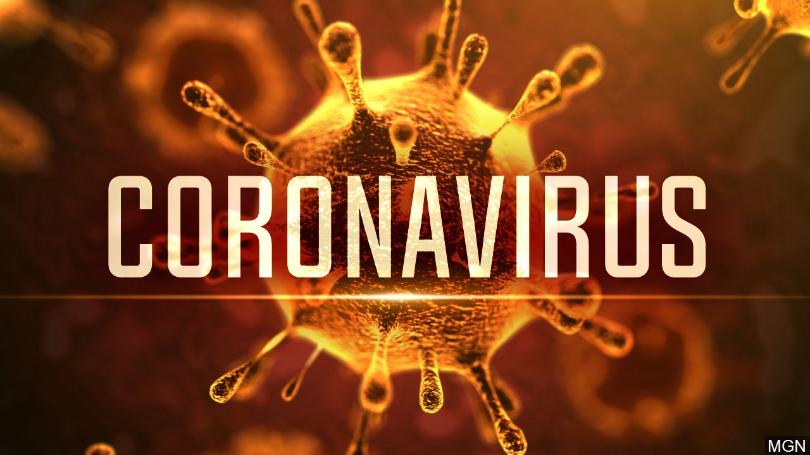

Here’s what you need to know about the Coronavirus. I’ve compiled some information on it’s microbiology (for my fellow nerds out there), along with pertinent information from the American College of Physicians.
Overall, Ima need y’all to chill.
The Coronavirus causes the common cold.
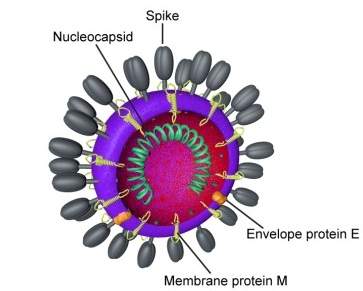
It’s a positive sense single stranded, enveloped helical RNA virus. The shape of the virus looks like a crown so they call it corona. The virus replicates in the cytoplasm of the cell. It causes coughing, sneezing, shortness or breath and fever.
Frequently reported signs and symptoms include fever (83–98%), cough (46%–82%), myalgia or fatigue (11–44%), and shortness of breath (31%) at illness onset. Sore throat has also been reported in some patients early in the clinical course.
Complications can lead to acute bronchitis and SARS. People who are extremely at risk are those with a weakened immune system, so that’s children, the elderly and those undergoing treatments that may weaken the immune system such as chemotherapy patients and those with autoimmune disorders.
The Corona viruses have been around since the 1960s. More recently, new human coronaviruses were identified as causes of Middle East Respiratory Syndrome (MERS) and severe acute respiratory syndrome (SARS).
There are different types of coronaviruses, alpha and beta. Every now and then, genetic recombination occurs between members of the same or different coronavirus groups. Basically, you have a virus that can infect humans and animals. When it’s in a human it causes sickness, when it’s in the animal it causes no harm. While it remains in the animal, it continues to replicate and emerges as a new virus when it reinfects a human. Sound familiar…swine flu, bird flu, etc. So, the new COVID-19 is a novel beta corona virus called SARS-CoV-2.
The acute respiratory disease caused by SARS-CoV-2 may progress to bilateral pneumonia, acute respiratory distress syndrome (ARDS), or death…any illness with severe complications that goes untreated and/or without medical care in general can result in death. So don’t hyperventilate yet, stay with me.
Early reports describe the potential for clinical deterioration during the second week of illness, with roughly 25-30% of hospitalized patients requiring intensive support and median time between initial symptoms to onset of ARDS reported in one study as 8 days.
Incubation period: An analysis of 1099 cases of confirmed COVID-19 in China revealed a median incubation period (the time before the symptoms of a viral infection appear) of 4 days 13. Other estimates describe an incubation period slightly longer, at 5 days. However, the incubation period may be longer, and clinical descriptions of asymptomatic phases after possible exposure range from 2 to 14 days. Therefore, a 14 day period for monitoring after potential exposure is generally recommended.
So, if you notice that you have developed signs and symptoms described above along with possible exposure (recent travel, respiratory droplet exposure & clinical symptoms) then seek medical attention. This is not the time to self treat for 2 weeks and get advice from Dr. Google or media outlets that want to recreate scenes from a sci fi movie.
As for the U.S.
- Total cases: 1,629
- Total deaths: 41
- Jurisdictions reporting cases: 47 (46 states and District of Columbia)
* Data include both confirmed and presumptive positive cases of COVID-19 reported to CDC or tested at CDC since January 21, 2020, with the exception of testing results for persons repatriated to the United States from Wuhan, China and Japan. State and local public health departments are now testing and publicly reporting their cases. In the event of a discrepancy between CDC cases and cases reported by state and local public health officials, data reported by states should be considered the most up to date.
Centers for Disease Control (CDC) clinical criteria for a COVID-19 patient under investigation previously included both clinical symptoms of acute respiratory disease and risk for exposure: travel from an affected geographic area such as China, Iran, Italy, South Korea, or Japan; close contact with recently exposed travelers; and close contact with persons who have a confirmed infection. This does not mean you should shun people from these countries, stop being ignorant.
How does it spread?
From Person to Person through respiratory droplets. So, don’t let anyone sneeze in your face. Wash your hands (for at least 20 seconds) frequently. I mean, just be clean.
Treatment?
It’s a viral infection so the body has specialized cells to kill the virally infected cells. It’s not caused by bacteria, so no antibiotics can be used to treat it. Just like treating any common cold, you use infection control measures and supportive care to treat the symptoms. There are some antiviral treatments that can be given to stop the virus from infecting other cells (this will stop the spread of the virus and aid in recovery time of clearing the infection) but there is no clear beneficial targeted treatment for the Coronavirus. Investigational treatment approaches have included lopinavir–ritonavir, interferon-1β, remdesivir, chloroquine, and a variety of traditional Chinese medicines. Intravenous hyperimmune globulin (specialized proteins that latch to infected cells and makes them more recognizable by your immune cells which will kill the infected cells) from recovered persons is in early treatment trials.
Side note: This virus is spread just like the flu, through respiratory droplets. But, we actually have annual vaccines that can prevent the flu and it’s complications yet people refuse to get them. However, people are begging for a “cure” for the “Coronavirus”…..🙄 but I digress.
Let’s take on the Stigma now….
SARS-CoV-2 does not preferentially target people of particular race or ethnicity. The virus spreads between available human hosts without discrimination.
People of Asian descent who have not recently traveled to an affected geographic area or been in contact with a person who is a confirmed or suspected case of COVID-19 are not at greater risk of acquiring and spreading COVID-19 than other Americans.
Our job as medical professionals is to
Raise awareness about COVID-19 without increasing fear, sharing accurate information about how the virus spreads. Speak out against negative behaviors and stereotypes and avoid stereotypes in both images and language.
Unfortunately, the media is not held to this same standard and continues to instill fear into everyone that will listen. SARS-CoV-2 infection control centers on reducing person-to-person transmission by doing the following:
- Wash hands often with soap and water for at least 20 seconds. If soap and water are not available, use alcohol-based hand sanitizer containing at least 60% alcohol.
- Avoid touching your eyes, nose, or mouth with unwashed hands.
- Avoid close contact with people who are sick.
- Stay home when you are sick.
- Cover your cough or sneeze with a tissue, then throw the tissue in the trash. Coughing in your elbow is an option if no tissue is around. 🤷🏾♀️
- Clean and disinfect frequently touched objects and surfaces.
So, I say all of this to say….you can chill. Take the same precautions you normally would to prevent getting the common cold. If you are traveling then you’re putting yourself more at risk for exposure and should definitely take every precaution.
This information was adapted from the American College of Physicians. Feel free to read more about the Coronavirus from valid sources with accurate information such as those listed below:
ACP’s Novel Coronavirus: A Physician’s Guide:
https://www.acponline.org/cme-moc/online-learning-center/novel-coronavirus-a-physicians-guide
CDC Coronavirus Update
 Pretty Nerdy Doc